Water treatment is entering a new technological era. Rapid industrialization, intensive aquaculture, and strict environmental regulations are forcing industries to adopt more efficient and sustainable solutions.
Traditional aeration and chemical treatment methods often face limitations such as low oxygen transfer efficiency, high energy consumption, and excessive chemical usage. As industries move toward greener and more intelligent systems, Nanobubble Generator technology is emerging as a transformative solution.
A Nanobubble Generator produces extremely small gas bubbles—typically less than 200 nanometers in diameter—that remain suspended in water for long periods. These ultra-fine bubbles significantly increase gas dissolution efficiency and enhance oxidation reactions.
As a result, nanobubble technology is rapidly becoming a core solution in modern water treatment systems.
Featured Snippet: What Is Nanobubble Technology in Water Treatment?
Nanobubble technology is an advanced gas–liquid mixing process that generates ultra-fine bubbles smaller than 200 nanometers. These bubbles remain suspended in water for extended periods, dramatically improving oxygen transfer efficiency, oxidation performance, and contaminant removal in water treatment systems.
Because of these properties, nanobubbles are widely used in aquaculture, wastewater treatment, hydroponics, and industrial cleaning.
Global Water Challenges Driving Technology Innovation
The global water industry is currently facing multiple critical challenges. These issues are pushing industries and governments to seek more efficient and sustainable technologies.
1. Oxygen Depletion in Water Systems
Many water environments suffer from low dissolved oxygen levels.
Examples include:
- Intensive aquaculture systems
- Wastewater treatment plants
- Industrial water recycling systems
- Urban lakes and reservoirs
Low oxygen levels can cause:
- Fish mortality
- Poor microbial activity
- Slower organic decomposition
- Increased water pollution
Traditional aeration systems often fail to deliver sufficient oxygen transfer efficiency.
Nanobubble generators solve this problem by dramatically increasing oxygen dissolution rates.
2. Rising Environmental Regulations
Governments around the world are implementing stricter environmental regulations.
Key areas include:
- Wastewater discharge limits
- Nutrient removal requirements
- Chemical usage restrictions
- Energy efficiency standards
Industries must now adopt cleaner and more sustainable technologies to meet compliance standards.
Nanobubble systems help reduce chemical dependency while improving treatment efficiency.
3. High Energy Consumption in Conventional Aeration
Traditional aeration methods include:
- Diffused aeration
- Mechanical surface aerators
- Venturi aeration systems
These systems often require large compressors and continuous operation.
In many wastewater plants, aeration accounts for 50–70% of total energy consumption.
Nanobubble generators improve gas transfer efficiency dramatically, meaning less energy is required to achieve the same oxygen levels.
4. Chemical Overuse in Water Treatment
Chemical oxidation processes commonly use:
- Chlorine
- Hydrogen peroxide
- Ozone
- Coagulants and flocculants
While effective, these chemicals may create secondary pollution and increase operating costs.
Nanobubbles enhance oxidation reactions naturally, reducing the need for large chemical doses.
How Nanobubble Generator Technology Solves These Problems
Nanobubble generators introduce gas into water in the form of nanoscale bubbles.
These bubbles have unique physical and chemical characteristics:
- Extremely large surface area
- High internal pressure
- Long suspension time
- Negative surface charge
These properties enable superior mass transfer and oxidation performance.
Technological Advantages of Nanobubble Generators
1. Higher Mass Transfer Efficiency
One of the biggest advantages of nanobubble technology is its high gas dissolution efficiency.
Compared with traditional aeration systems:
| Technology | Oxygen Transfer Efficiency |
|---|---|
| Traditional Aeration | 10–20% |
| Fine Bubble Diffusers | 25–35% |
| Nanobubble Generators | 80–95% |
This means more oxygen dissolves in water while using significantly less energy.
Industries benefit from:
- Faster oxygen delivery
- More stable dissolved oxygen levels
- Lower power consumption
2. Reduced Chemical Usage
Nanobubbles can dramatically enhance oxidation reactions.
For example:
- Ozone nanobubbles increase ORP levels
- Oxygen nanobubbles stimulate microbial activity
- Reactive oxygen species improve pollutant breakdown
As a result, many treatment systems can reduce chemical consumption by 30–60%.
This leads to:
- Lower operational costs
- Reduced environmental impact
- Safer water treatment processes
3. Sustainable Operation
Nanobubble technology also improves overall system sustainability.
Key advantages include:
Lower sludge production
Reduced maintenance costs
Higher treatment efficiency
Lower energy demand
Because nanobubbles remain stable for long periods, treatment systems can operate more efficiently without constant aeration.
Key Industrial Applications of Nanobubble Technology
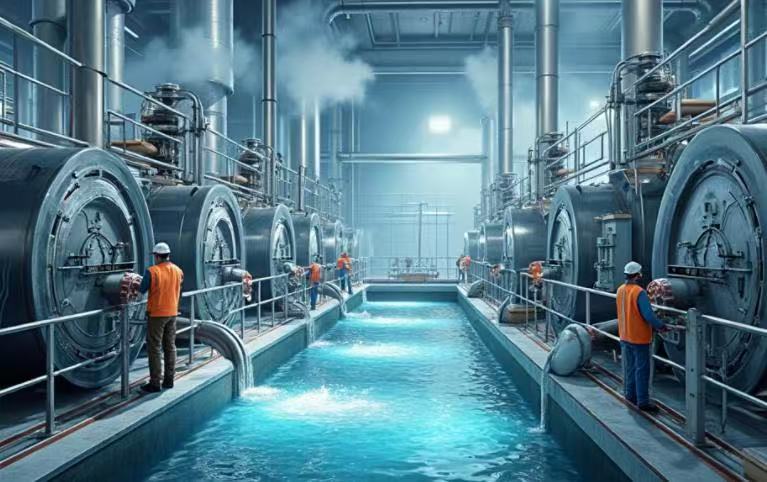
Nanobubble generators are now widely used across multiple industries.
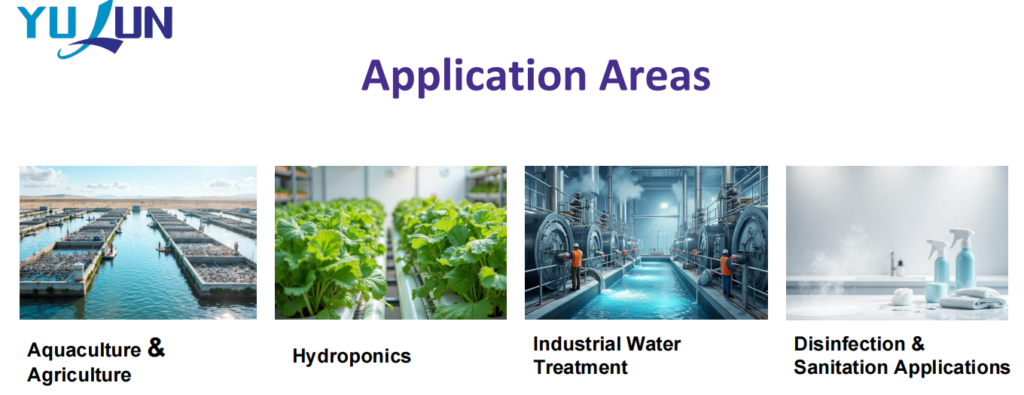
Aquaculture
In fish and shrimp farming, nanobubbles can:
- Increase dissolved oxygen levels
- Improve fish survival rates
- Enhance feed conversion ratios
- Stabilize water quality
Many farms report 20–30% higher productivity after installing nanobubble systems.
Hydroponics and Agriculture
In hydroponic cultivation, oxygen-rich water helps plants absorb nutrients more effectively.
Nanobubbles can:
- Stimulate root growth
- Increase nutrient uptake
- Improve crop yield
- Reduce root diseases
Wastewater Treatment
Wastewater facilities use nanobubbles to improve biological treatment performance.
Benefits include:
- Enhanced microbial activity
- Faster organic matter breakdown
- Reduced sludge generation
- Lower aeration energy consumption
Industrial Cleaning and Degreasing
Nanobubbles also have strong physical cleaning effects.
They can:
- Remove oil and grease
- Separate suspended particles
- Improve flotation processes
- Clean industrial equipment surfaces
Future Trends in Nanobubble Technology (2026 and Beyond)
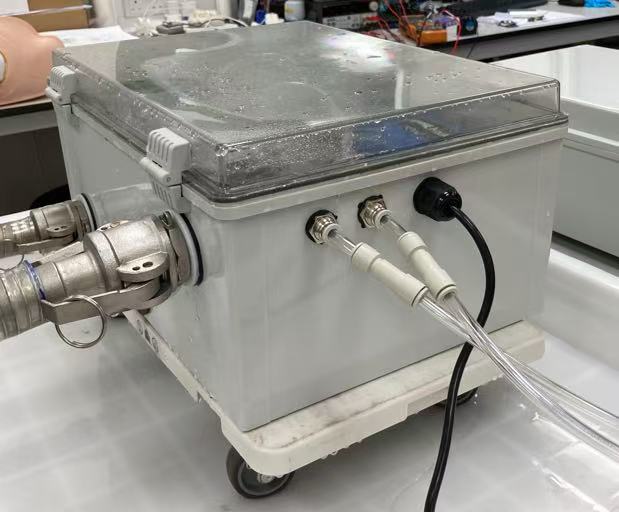
The next generation of nanobubble systems will integrate advanced digital technologies.
1. Smart IoT-Integrated Systems
Future nanobubble generators will be connected to smart monitoring platforms.
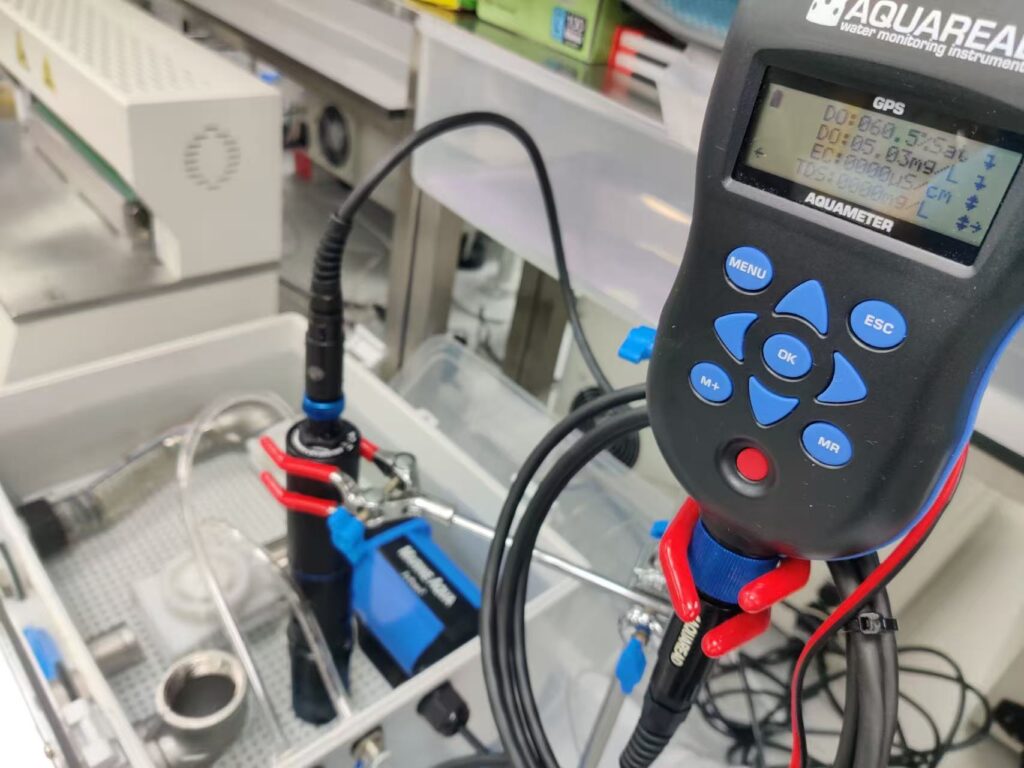
Sensors will continuously monitor:
- Dissolved oxygen (DO)
- ORP levels
- Water temperature
- Flow rates
This data enables real-time system optimization.
2. AI-Controlled Oxygen Optimization
Artificial intelligence algorithms can automatically adjust oxygen injection based on water conditions.
This improves:
- Energy efficiency
- Oxygen stability
- System reliability
AI-driven water treatment is expected to become mainstream by 2030.
3. Precision Aquaculture Management
Aquaculture farms will increasingly rely on automated systems.
Nanobubble generators integrated with AI can:
- Maintain ideal oxygen levels
- Reduce disease outbreaks
- Optimize feeding schedules
This approach is known as precision aquaculture.
4. Green Industrial Processes
Industries are transitioning toward low-carbon production methods.
Nanobubble technology supports:
- Chemical reduction
- Energy efficiency improvements
- Water recycling systems
- Sustainable manufacturing
Investment Value of Nanobubble Generator Systems
Companies adopting nanobubble systems often experience rapid financial returns.
Typical benefits include:
- Increased productivity
- Reduced operational costs
- Lower chemical expenses
- Improved environmental compliance
Many industrial projects achieve payback periods within 12–24 months.
As global water treatment demand continues to grow, nanobubble technology is expected to become a core infrastructure solution.
Conclusion
Nanobubble Generator technology represents one of the most promising innovations in modern water treatment.
By improving oxygen transfer efficiency, reducing chemical usage, and lowering energy consumption, nanobubble systems offer a powerful solution to the world’s growing water challenges.
As industries seek more sustainable and intelligent solutions, nanobubble generators will continue to play a critical role in the future of water management.
Yuxun’s Vision and Expertise
Yuxun integrates advanced fluid engineering, intelligent control systems, and precision manufacturing to deliver next-generation Nanobubble Generator solutions for global industries.
By combining:
- Long-term R&D investment
- Industrial-grade production standards
- Customized project engineering
- Global technical support
Yuxun provides high-performance nanobubble systems designed for aquaculture, agriculture, wastewater treatment, and industrial processes.
With strong engineering capabilities and extensive application experience, Yuxun is positioned as a reliable long-term technology partner for enterprises seeking efficient, environmentally sustainable water treatment solutions.
People Also Ask (PAA)
What does a nanobubble generator do?
A nanobubble generator produces extremely small gas bubbles that remain suspended in water. These bubbles improve oxygen dissolution, enhance oxidation reactions, and increase treatment efficiency in water systems.
Why are nanobubbles more efficient than normal bubbles?
Nanobubbles have a much larger surface area relative to their size. They also remain suspended in water longer, allowing more gas to dissolve. This results in higher oxygen transfer efficiency.
Can nanobubbles improve aquaculture production?
Yes. Nanobubbles increase dissolved oxygen levels, improve water quality, and stimulate fish metabolism. Many farms report improved survival rates and higher growth performance.
Are nanobubble generators energy efficient?
Nanobubble systems require less energy because they deliver higher oxygen transfer efficiency. Many facilities reduce aeration energy consumption significantly after installation.
What gases can be used in a nanobubble generator?
Common gases include:
- Air
- Oxygen
- Ozone
- Carbon dioxide
Each gas type serves different applications such as oxygenation, oxidation, or sterilization.
How long do nanobubbles remain in water?
Nanobubbles can remain stable in water for several hours to several days depending on water conditions and gas type.
FAQ (Structured for SEO)
What industries use nanobubble generators?
Nanobubble generators are widely used in aquaculture, hydroponics, wastewater treatment, industrial cleaning, environmental remediation, and drinking water treatment.
Do nanobubbles improve dissolved oxygen levels?
Yes. Nanobubbles dramatically increase oxygen transfer efficiency, allowing more oxygen to dissolve into water compared with traditional aeration systems.
Can nanobubble technology reduce chemical usage?
Yes. Nanobubbles enhance oxidation reactions and microbial activity, allowing treatment systems to reduce chemical dosage.
Are nanobubble generators expensive to operate?
Although initial investment may be higher than traditional aeration systems, nanobubble generators often reduce long-term operational costs due to lower energy consumption and reduced chemical use.
How long does it take to see results?
Many facilities observe improved oxygen levels and water quality immediately after installation, with full operational benefits appearing within weeks.