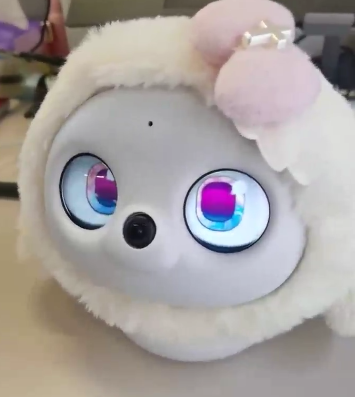
The global electronics industry in 2026 is entering a new era of intelligence and precision. From AI hardware and IoT devices to smart consumer electronics and industrial automation systems, product complexity is increasing rapidly.
For OEMs, startups, and global brands, choosing the right PCBA manufacturer is no longer just about price — it’s about technology capability, quality assurance, compliance expertise, and long-term partnership value.
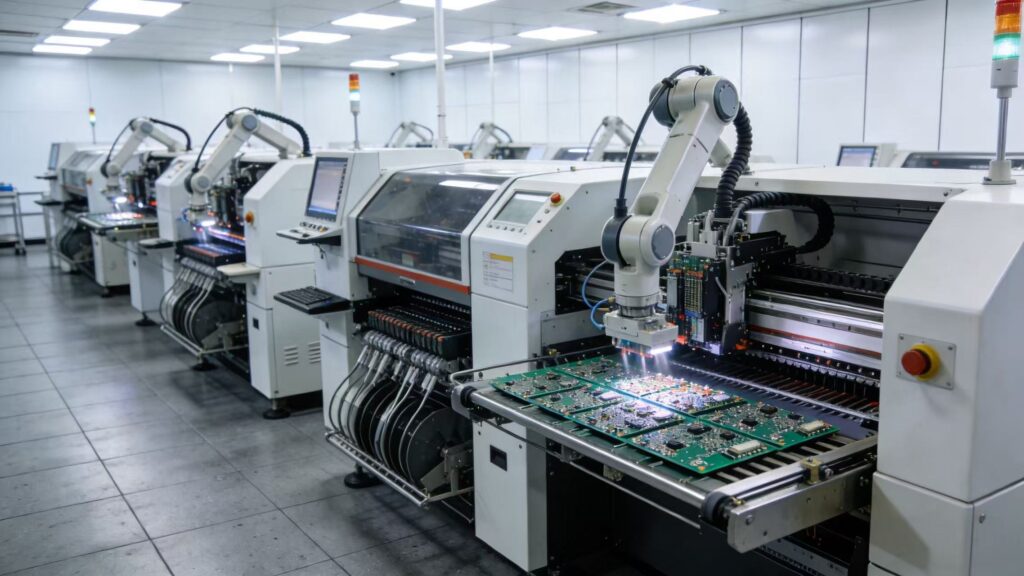
So what truly differentiates an average supplier from a top-tier PCBA manufacturer in 2026?
1. Advanced SMT Technology: The Foundation of Precision Manufacturing
Surface Mount Technology (SMT) remains the core of modern PCB assembly. However, in 2026, the standard has significantly evolved.
A high-quality PCBA manufacturer should offer:
High-Speed Pick-and-Place Machines
Modern SMT lines are equipped with fully automated, high-speed placement machines capable of handling complex and high-density boards. This ensures:
- Faster production cycles
- Stable component placement accuracy
- Reduced labor dependency
- Lower overall production cost
01005 Component Placement Capability
With devices becoming smaller and more compact, the ability to assemble 01005 components is no longer optional — it’s essential. Manufacturers that support ultra-fine pitch components demonstrate:
- Advanced equipment investment
- Strong process control capability
- High-level technical expertise
BGA & QFN Processing
Ball Grid Array (BGA) and QFN packages are widely used in AI chips, communication modules, and high-performance processors. Reliable PCBA manufacturers provide:
- X-ray inspection for solder joint verification
- Reflow profiling optimization
- Thermal management engineering
Multi-Layer PCB Assembly
As hardware complexity increases, multi-layer PCB assembly (6–20 layers or more) becomes common in:
- AI edge devices
- Smart robotics
- Industrial control systems
- Automotive electronics
The ability to handle complex stack-ups, impedance control, and fine traces is a clear sign of a high-end PCBA partner.
2. Smart Factory Integration: The Era of Digital Manufacturing
In 2026, leading PCBA manufacturers operate smart factories driven by digital systems and data transparency.
MES Systems (Manufacturing Execution Systems)
An advanced MES system allows:
- Real-time tracking of production status
- Complete traceability of components
- Digital work instructions
- Automatic quality data recording
This significantly reduces errors and improves delivery predictability.
Automated Material Tracking
Barcoded materials, intelligent warehouse systems, and automated feeder management ensure:
- Accurate material control
- Reduced component mismatch risk
- Improved production efficiency
Real-Time Production Monitoring
Customers increasingly expect transparency. A top-tier PCBA manufacturer can provide:
- Live production updates
- Yield reports
- Process control data
- Quality performance dashboards
AI Defect Analysis
Artificial Intelligence is now integrated into AOI (Automated Optical Inspection) systems to:
- Detect micro-soldering defects
- Reduce false alarms
- Improve inspection speed
- Continuously optimize defect prediction
Manufacturers leveraging AI-based quality control clearly stand ahead of traditional factories.
3. Strong R&D Support: Beyond Assembly Services
In 2026, a competitive PCBA manufacturer does not simply assemble boards — it becomes a technical partner.
Hardware Optimization
Experienced engineering teams assist clients in:
- DFM (Design for Manufacturability) review
- Layout improvement suggestions
- Signal integrity analysis
- Thermal optimization
Early-stage collaboration reduces risk and improves product reliability.
Cost Reduction Engineering
Through component alternative suggestions, BOM optimization, and process redesign, a strong PCBA partner helps:
- Reduce total product cost
- Shorten lead time
- Improve supply chain stability
Rapid Prototyping
Speed-to-market is critical. High-quality manufacturers offer:
- 24–72 hour quick-turn prototypes
- Engineering sample validation
- Fast design iteration support
Small Batch Pilot Runs
Before mass production, pilot runs allow:
- Process verification
- Functional testing
- Market testing
- Reliability evaluation
This reduces large-scale production risk and ensures smoother ramp-up.
4. Global Market Compliance: Mandatory for International Brands
If your product targets Europe, North America, or Japan, compliance is non-negotiable.
A reliable PCBA manufacturer must understand and support:
- CE certification requirements
- RoHS compliance standards
- REACH environmental regulations
- FCC regulations for electronic devices
Manufacturers with international export experience can:
- Prepare documentation packages
- Support product testing coordination
- Maintain compliant material sourcing
- Ensure traceable environmental control
This reduces legal risk and speeds up global market entry.
5. Flexible Production Model: Supporting Both Startups and Enterprises
One major differentiator in 2026 is production flexibility.
Low MOQ for Startups
Innovation is often driven by small teams. A high-quality PCBA manufacturer should support:
- Low minimum order quantity (MOQ)
- Flexible material procurement
- Prototype-to-mass production transition
Scalable Mass Production
When your product scales, your manufacturer must scale with you:
- Multiple SMT lines
- Dedicated production scheduling
- Stable supply chain management
Quick-Turn Prototypes
Fast turnaround directly impacts competitiveness. A responsive supplier can shorten product launch cycles dramatically.
Long-Term Production Planning
For mature products, manufacturers provide:
- Annual forecast planning
- Buffer stock management
- Cost optimization roadmap
- Strategic procurement agreements
6. Quality Management: The Core of Long-Term Cooperation
Technology and flexibility mean little without quality stability.
A high-quality PCBA manufacturer in 2026 should demonstrate:
- ISO9001-certified quality management
- Strict incoming material inspection (IQC)
- In-process quality control (IPQC)
- Functional testing (FCT)
- Aging tests when required
- 100% visual inspection standards
Consistent yield rate and low defect rate directly impact your brand reputation and after-sales cost.
7. Why the Right PCBA Manufacturer Impacts Your Market Competitiveness
Selecting a high-quality PCBA manufacturer is a strategic business decision.
A strong partner will help you:
- Accelerate product development
- Improve product reliability
- Reduce overall production cost
- Enter global markets smoothly
- Scale production without risk
In contrast, choosing an inexperienced supplier can lead to:
- Delays
- High defect rates
- Compliance failures
- Customer complaints
- Long-term brand damage
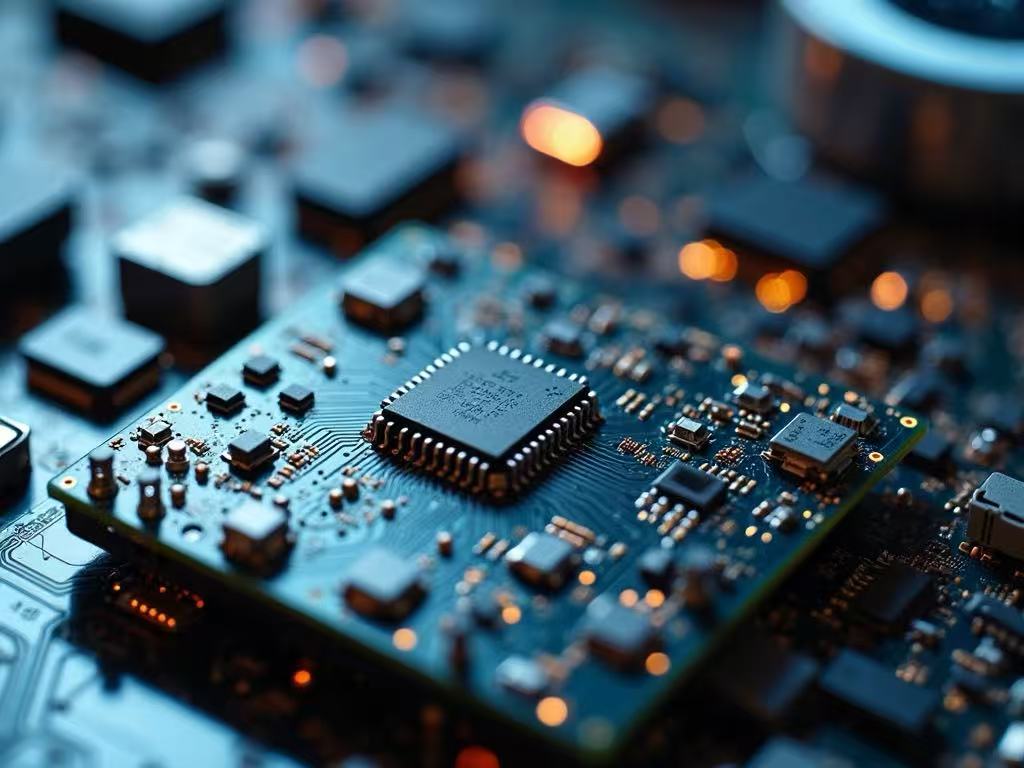
Conclusion: The Definition of a High-Quality PCBA Manufacturer in 2026
In 2026, a top-tier PCBA manufacturer is:
- Technology-driven (advanced SMT & AI-based inspection)
- Digitally integrated (smart factory systems)
- Engineering-oriented (strong R&D support)
- Globally compliant (CE, RoHS, REACH, FCC knowledge)
- Flexible and scalable (from prototype to mass production)
- Quality-focused (strict process control and testing standards)
For electronics brands aiming at long-term growth, the right PCBA partner is not just a supplier — it is a strategic extension of your engineering and manufacturing capabilities.
If you are evaluating a PCBA manufacturer in 2026, focus on technology depth, quality systems, compliance experience, and partnership mindset. These factors will determine not only your production success — but your market competitiveness.
Why Yuxun Stands Out as a High-Quality PCBA Manufacturer in 2026
Among competitive global PCBA manufacturers, Yuxun distinguishes itself through deep integration of PCB assembly expertise and intelligent hardware innovation. With over two decades of experience in smart product development and manufacturing, Yuxun goes beyond traditional assembly services to provide end-to-end solutions — from design optimization and rapid prototyping to scalable mass production.
Yuxun’s strength lies in:
- Advanced SMT lines supporting high-density and fine-pitch components
- Smart factory systems with digital production tracking and strict quality control
- Strong R&D collaboration for AI-enabled and high-end intelligent devices
- Flexible production models tailored for both startups and established global brands
- International compliance support for Europe, North America, and Japan markets
By combining engineering depth, manufacturing precision, and customer-oriented service, Yuxun positions itself not just as a PCBA supplier, but as a long-term strategic partner for companies developing next-generation AI hardware, smart consumer electronics, and innovative IoT products.
For businesses seeking a reliable, technology-driven, and future-ready PCBA manufacturer in 2026, Yuxun represents a competitive and dependable choice.
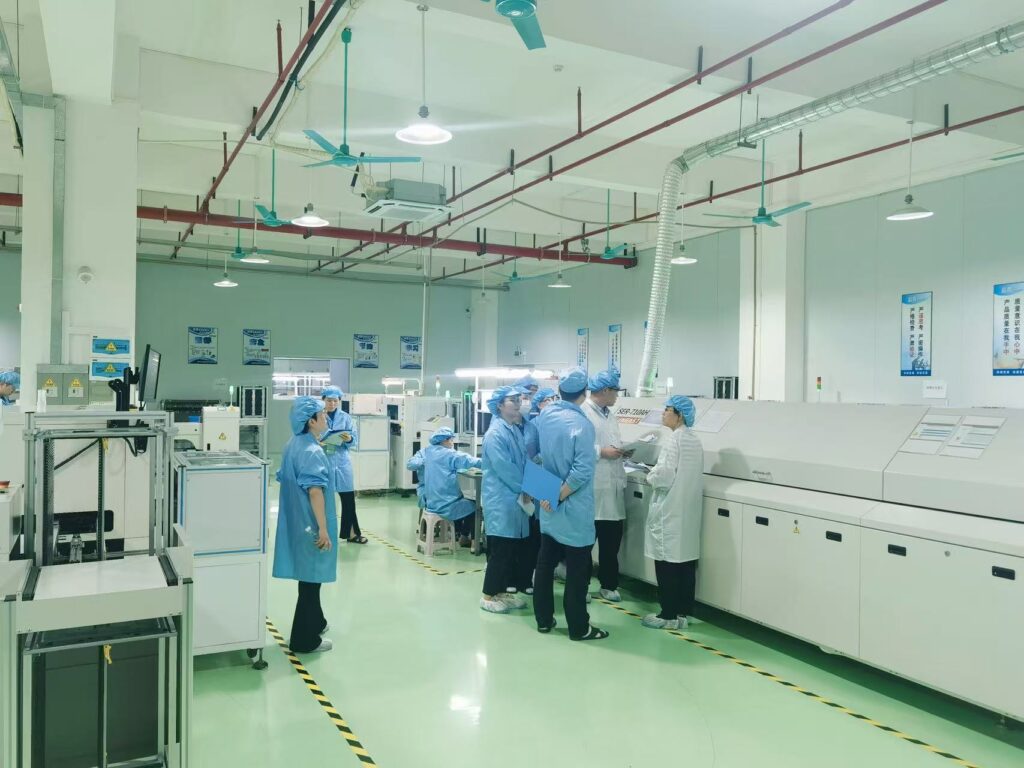
FAQ About Choosing a PCBA Manufacturer in 2026
1. What certifications should a PCBA manufacturer have?
At minimum: ISO9001. For specific industries, ISO13485 (medical), IATF16949 (automotive), or UL recognition may also be required.
2. Can a PCBA manufacturer help reduce my BOM cost?
Yes. Experienced engineering teams can recommend alternative components, optimize layouts, and improve manufacturability.
3. What is the typical lead time for prototype PCBA?
Quick-turn services can deliver within 24–72 hours depending on complexity and material availability.
4. How do I evaluate PCBA quality before mass production?
Request sample builds, review inspection reports, analyze yield data, and conduct on-site or virtual factory audits.
5. What industries benefit most from advanced PCBA manufacturing?
AI hardware, IoT devices, smart consumer electronics, automotive systems, industrial control equipment, and medical electronics.