Printed Circuit Board Assembly (PCBA) is the core of nearly all modern electronic devices. From AI hardware and IoT devices to consumer electronics and medical equipment, PCB assemblies determine how efficiently and reliably a product functions.
However, companies developing electronic products often face an important decision early in the development stage: Should they choose a custom PCBA or a standard PCBA?
A custom PCBA is designed specifically for a product’s unique functions, performance requirements, and structural constraints. In contrast, standard PCBA refers to pre-designed circuit boards used in general-purpose electronics where customization is not required.
Both options have advantages depending on the project’s complexity, cost sensitivity, and production volume. Understanding the differences between them helps businesses make the right decision for product performance, manufacturing efficiency, and long-term scalability.
This article explains:
- What custom PCBA and standard PCBA are
- The key differences between them
- Cost and manufacturing considerations
- Application scenarios
- When companies should choose custom PCB assembly
For companies developing smart devices, AI products, IoT systems, and advanced electronics, custom PCBA solutions often provide the flexibility and performance needed for competitive products.
What Is Custom PCBA?
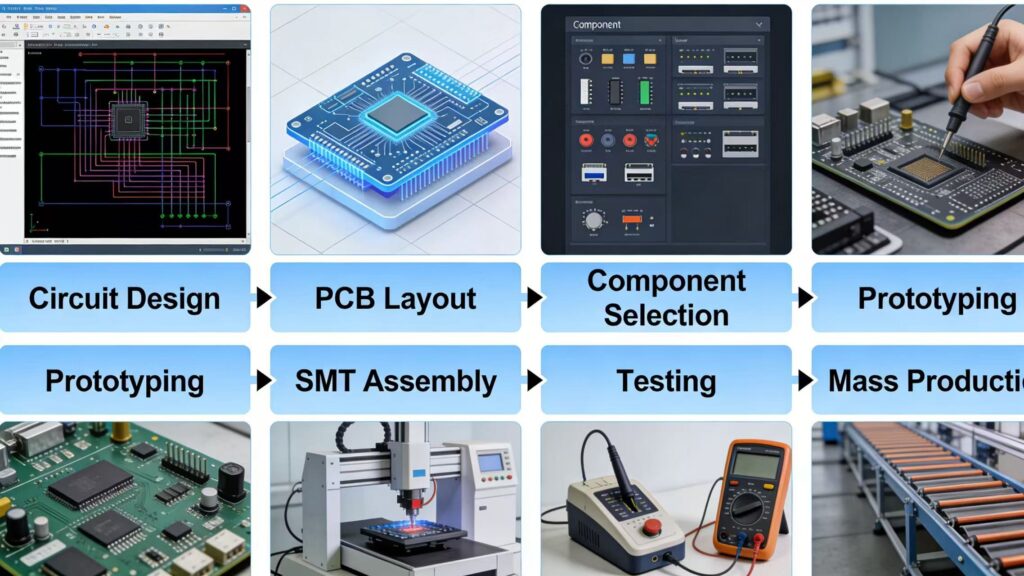
Custom PCBA (Custom Printed Circuit Board Assembly) refers to a PCB assembly specifically designed and manufactured according to the unique requirements of a product.
Unlike generic boards, custom PCBAs are created through a complete engineering process including:
- circuit design
- PCB layout design
- component selection
- prototype development
- SMT assembly
- functional testing
- mass production
Every aspect of the board is optimized for the product.
Key Characteristics of Custom PCBA
1. Product-specific design
The circuit architecture is built around the product’s functionality.
2. High design flexibility
Engineers can optimize the PCB for performance, size, and power efficiency.
3. Advanced integration
Custom boards can integrate sensors, wireless modules, AI chips, and microcontrollers.
4. Higher initial development cost
Engineering, prototyping, and testing require additional investment.
5. Ideal for innovation-driven products
Most modern electronics rely on custom PCBA design.
Companies like YUXUN provide full custom PCBA services including PCB design, component sourcing, SMT assembly, and testing, helping customers turn electronic concepts into mass-produced products.
What Is Standard PCBA?
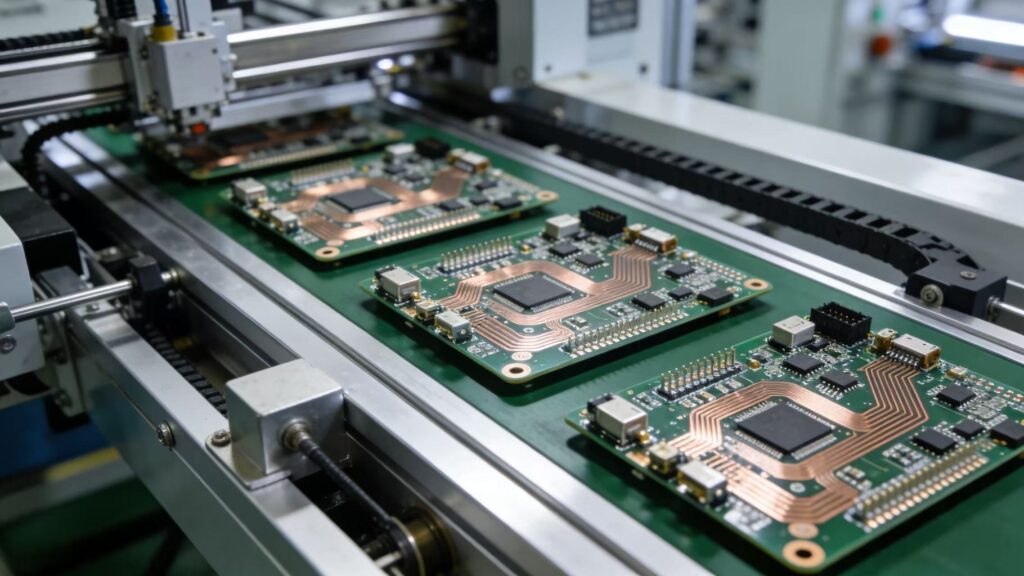
Standard PCBA refers to circuit boards that use pre-designed PCB layouts and standardized circuits for general electronic functions.
These boards are often mass-produced and used in basic electronic systems.
Instead of designing a board from scratch, manufacturers use an existing PCB design that performs a common function.
Common Features of Standard PCBA
1. Pre-designed circuit boards
The PCB layout is already developed and standardized.
2. Lower development cost
No engineering design work is required.
3. Faster production time
Standard PCB assemblies can be produced quickly.
4. Limited customization
Design modifications are difficult.
5. Suitable for simple applications
Basic electronics often use standard PCBs.
Examples include:
- power adapters
- LED driver boards
- simple control circuits
- basic consumer electronics
While standard PCBAs can reduce cost, they often lack the performance optimization and integration capabilities required for modern smart devices.
Custom PCBA vs Standard PCBA: Key Differences
The biggest difference between the two lies in design flexibility and application complexity.
| Feature | Custom PCBA | Standard PCBA |
|---|---|---|
| Design | Fully customized | Pre-designed |
| Cost | Higher initial cost | Lower initial cost |
| Flexibility | Very high | Limited |
| Application | Specialized devices | Generic electronics |
| Production | Product-specific | Mass generic production |
Design Flexibility
Custom PCBA allows engineers to design circuits that perfectly match product functions.
Standard PCBA offers very limited design modification.
Manufacturing Complexity
Custom PCB assembly requires:
- engineering design
- prototyping
- testing
- optimization
Standard PCBA only requires assembly using existing designs.
Cost Structure
Custom PCBA involves higher upfront costs due to engineering and development.
However, in large production volumes, custom boards often reduce total product cost by improving efficiency and integration.
Product Differentiation
Companies developing innovative electronics often rely on custom PCBA to create unique product capabilities that competitors cannot easily replicate.
When to Choose Custom PCBA
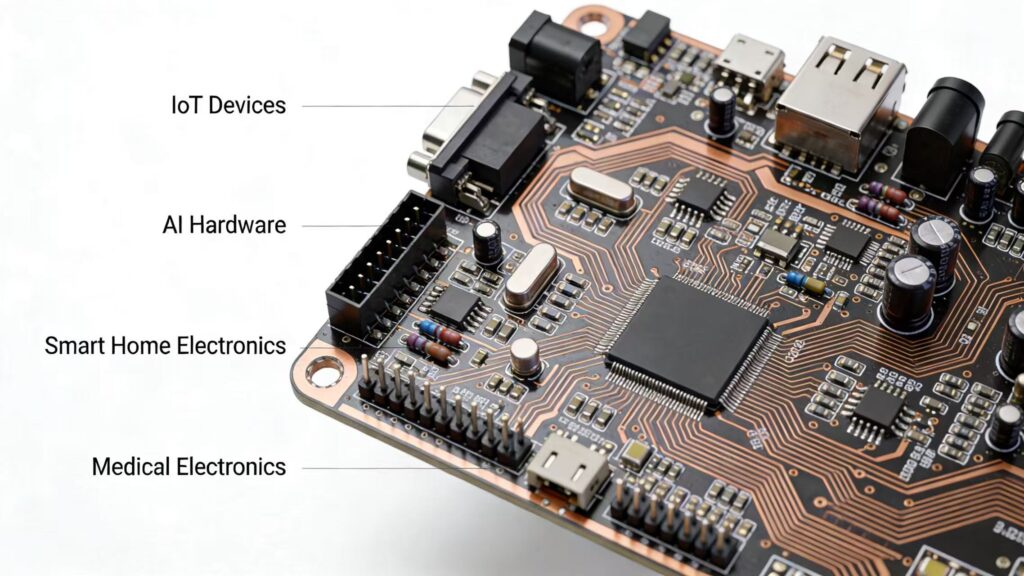
Custom PCBA is recommended for companies developing advanced electronic products or innovative devices.
Typical scenarios include:
1. New Product Development
Startups and manufacturers launching new devices require customized circuits.
2. IoT Devices
IoT products often integrate:
- wireless communication
- sensors
- microcontrollers
- cloud connectivity
These systems require optimized circuit architecture.
3. AI Hardware
AI edge devices and smart assistants need high-performance PCB designs.
4. Smart Home Electronics
Smart door locks, smart speakers, and smart lighting systems rely on custom PCB integration.
5. Medical Electronics
Medical equipment requires precise circuit control and strict reliability standards.
Companies such as YUXUN specialize in custom electronic hardware development, supporting customers from concept design to mass production.
Their engineering teams help optimize PCB structure, reduce product size, and improve device stability.
When Standard PCBA Is Enough
Standard PCBA is suitable for low-complexity electronics where advanced design is unnecessary.
Typical Use Cases
Basic consumer electronics
Examples include simple power modules and LED drivers.
Simple circuit systems
Products that require only basic functionality.
Low-cost electronic devices
Budget products may use existing PCB designs to minimize cost.
Rapid prototyping
Developers sometimes use standard boards during early testing stages.
However, once products move toward commercial mass production, custom PCB designs often become necessary to improve performance, reliability, and cost efficiency.
Why Many Companies Choose Custom PCBA Today
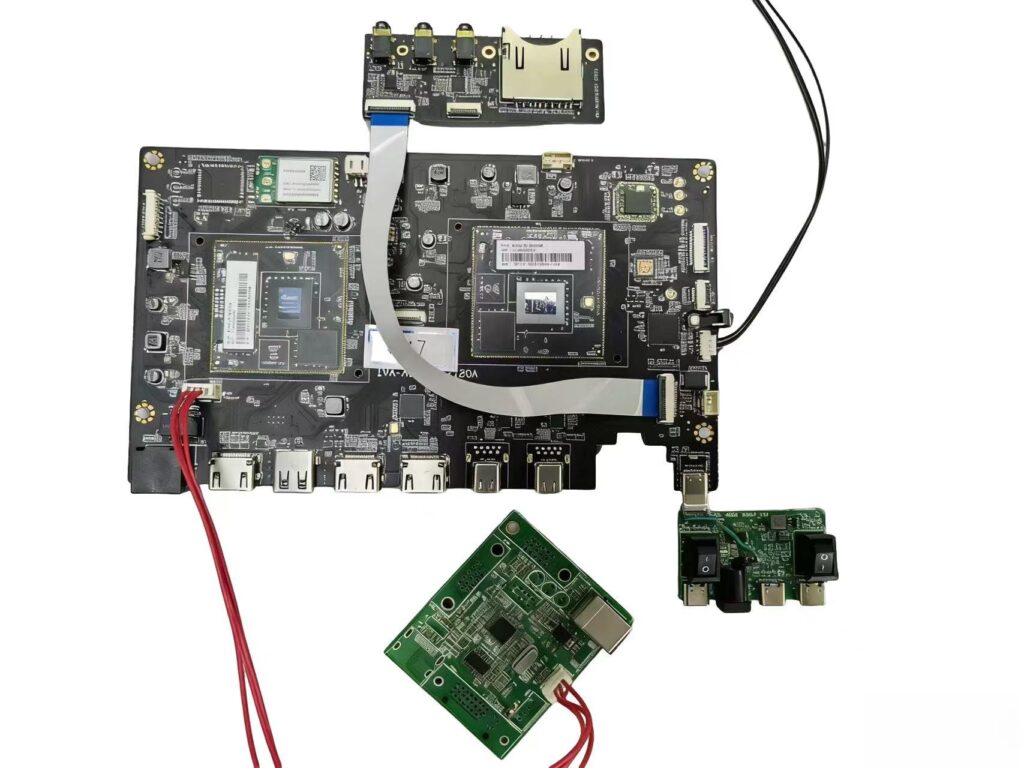
Modern electronic products require:
- smaller size
- higher performance
- lower power consumption
- better connectivity
Standard PCB designs cannot always meet these requirements.
Custom PCB assembly enables companies to:
Improve product performance
Circuits are optimized for specific workloads.
Reduce hardware size
Components are integrated efficiently.
Enhance reliability
Custom testing ensures stable performance.
Protect intellectual property
Unique circuit designs increase product competitiveness.
Manufacturers like YUXUN support these requirements with advanced SMT production lines, professional PCB engineering teams, and full lifecycle product development services.
Their custom PCBA solutions help global clients accelerate innovation and reduce time-to-market.
Conclusion
Custom PCBA and standard PCBA serve different purposes in electronic manufacturing.
Standard PCBA is suitable for simple electronic devices and cost-sensitive applications, where existing circuit designs are sufficient.
However, for companies developing advanced electronics, smart devices, AI hardware, or IoT products, custom PCBA offers significant advantages.
Custom PCB assembly provides:
- greater design flexibility
- better performance optimization
- stronger product differentiation
- scalable manufacturing
With experienced engineering teams and modern production facilities, companies like YUXUN deliver high-quality custom PCBA solutions that support the development of next-generation electronic products.
For businesses seeking innovation, reliability, and scalability, custom PCBA is often the better long-term choice.
FAQ
1. What is the main difference between custom PCBA and standard PCBA?
The main difference is design flexibility. Custom PCBA is designed specifically for a product, while standard PCBA uses pre-existing circuit designs.
2. Is custom PCBA more expensive?
Custom PCBA usually has higher upfront development costs due to design and prototyping. However, it can reduce total product cost in large production volumes.
3. Which industries use custom PCBA most?
Industries that frequently use custom PCBA include:
- IoT devices
- AI hardware
- smart home electronics
- automotive electronics
- medical devices
4. How long does custom PCBA development take?
Development time depends on product complexity. Typically, it includes design, prototyping, testing, and optimization stages before mass production.
5. Can a standard PCBA be modified for new products?
Minor modifications may be possible, but major design changes usually require a new custom PCB design.
6. What services does YUXUN provide for custom PCBA?
YUXUN offers complete PCBA solutions including:
- PCB design and engineering
- component sourcing
- SMT assembly
- prototype manufacturing
- functional testing
- mass production support