Custom PCBA manufacturing is the backbone of modern electronic product development. From smart devices and IoT systems to medical equipment and industrial automation, nearly every electronic product depends on a well-designed printed circuit board assembly.
The custom PCBA manufacturing process transforms an idea into a fully functional electronic system. It begins with circuit design and engineering analysis, continues through PCB layout optimization and prototype validation, and ends with automated SMT assembly and mass production.
A reliable PCBA manufacturer must provide not only manufacturing capability but also engineering support, component sourcing, testing services, and supply chain management.
Companies that understand the complete custom PCB assembly process can reduce development risk, shorten product launch cycles, and significantly improve product reliability.
Professional manufacturers like YUXUN specialize in providing end-to-end custom PCBA solutions, helping global customers transform innovative concepts into scalable electronic products.
Stage 1: Product Concept and Engineering Design
Every custom PCBA project starts with product concept development and engineering design. This stage determines the core functionality and architecture of the final electronic product.
A professional engineering team evaluates multiple technical factors before designing the circuit.
Circuit Architecture
Engineers design the logical structure of the circuit, determining how components interact and how signals flow throughout the board.
Key considerations include:
- processor selection
- power management architecture
- signal flow optimization
- component compatibility
A stable circuit architecture ensures long-term reliability.
Product Functionality
At this stage, engineers define the product’s features and operational capabilities.
Examples include:
- wireless connectivity
- AI processing capability
- sensor integration
- power consumption requirements
Clear functional definitions help avoid redesign later in the development cycle.
Power Design
Power design ensures stable voltage and current delivery across the entire circuit.
Key elements include:
- DC-DC converters
- voltage regulators
- battery management systems
- power protection circuits
Efficient power design reduces heat generation and increases product lifespan.
Communication Interfaces
Modern electronics often require multiple communication protocols.
Common interfaces include:
- UART
- SPI
- I2C
- USB
- Ethernet
- WiFi or Bluetooth modules
Professional PCBA manufacturers like YUXUN provide engineering consultation to ensure optimal interface integration.
Stage 2: PCB Layout and Optimization
Once the circuit schematic is finalized, engineers create the PCB layout. This stage translates the electrical design into a manufacturable board structure.
PCB layout quality directly affects performance, reliability, and electromagnetic compatibility.
Signal Routing
Signal routing determines how electrical signals travel across the board.
Engineers must carefully manage:
- trace length
- impedance control
- signal integrity
- cross-talk prevention
High-speed signals require precise routing strategies.
Thermal Management
Electronic components generate heat during operation. Poor thermal management can reduce component lifespan or cause system failures.
Thermal optimization techniques include:
- copper heat spreading
- thermal vias
- heat sinks
- airflow design
EMI Protection
Electromagnetic interference (EMI) can disrupt electronic performance.
PCB designers implement:
- shielding layers
- grounding strategies
- filtering components
- controlled impedance traces
These methods ensure compliance with international EMC standards.
Multilayer PCB Design
Complex electronics often require multilayer boards.
Common structures include:
- 4-layer PCB
- 6-layer PCB
- 8-layer or higher density boards
Multilayer designs improve signal integrity and enable compact device structures.
Stage 3: PCBA Prototype Development
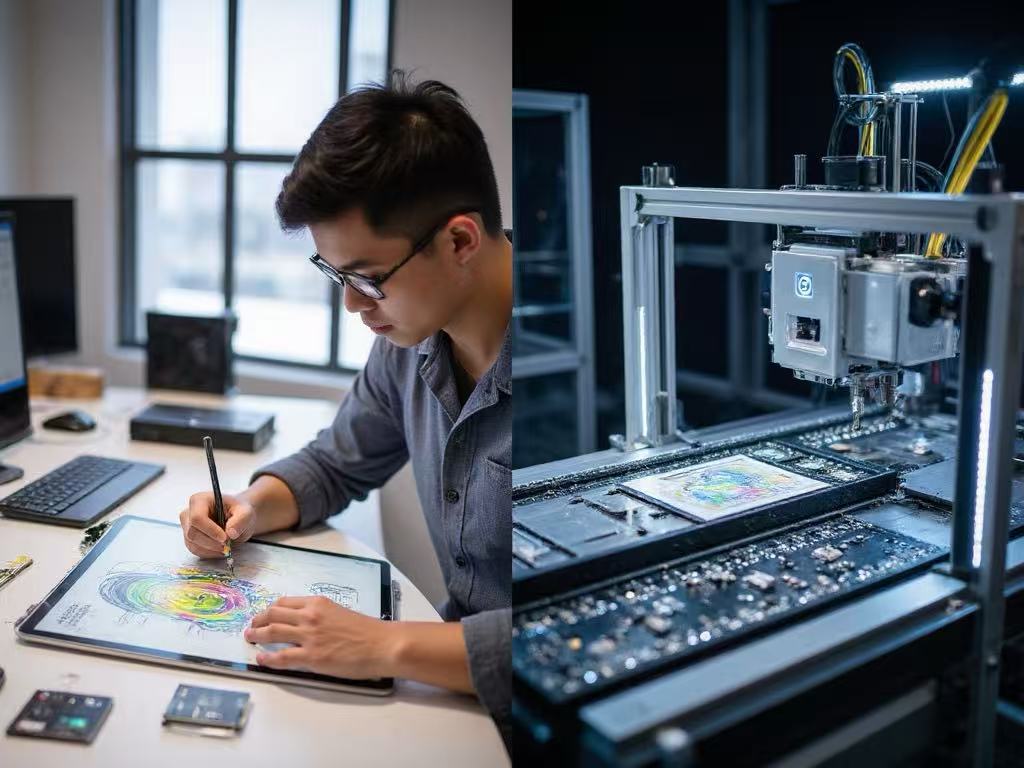
Prototype development is one of the most critical phases in custom PCB manufacturing.
Before moving to mass production, engineers must verify the design through prototype testing.
Prototype validation ensures:
- circuit functionality
- hardware compatibility
- firmware operation
- communication stability
- thermal performance
At YUXUN, prototype PCBA services include:
- quick PCB fabrication
- rapid SMT assembly
- engineering debugging support
- functional verification
This process allows customers to optimize the design before large-scale production.
Stage 4: SMT Assembly and Production
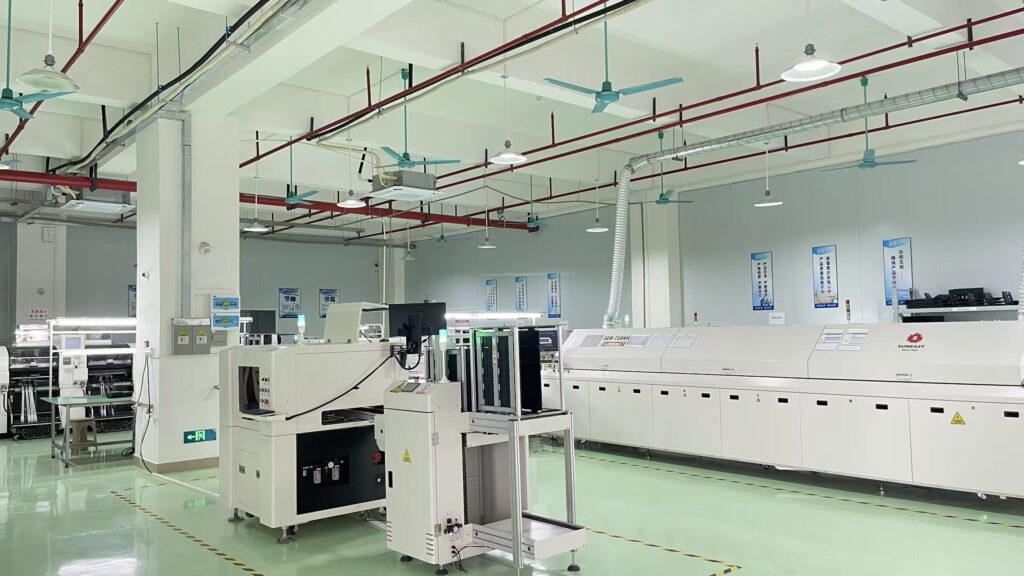
Surface Mount Technology (SMT) is the core process in modern PCBA manufacturing.
Automated production lines ensure high precision and manufacturing efficiency.
Automated Pick-and-Place Machines
These machines place electronic components on PCB pads with extreme accuracy.
Modern equipment can place:
- 0201 components
- microcontrollers
- BGA chips
- high-density connectors
High-speed pick-and-place systems improve production capacity.
Reflow Soldering
Reflow ovens melt solder paste to permanently attach components to the PCB.
Temperature profiles must be carefully controlled to avoid component damage.
Wave Soldering
Wave soldering is commonly used for through-hole components.
It provides strong solder joints and stable electrical connections.
BGA Assembly
Ball Grid Array components require advanced assembly technology.
Manufacturers use:
- precision solder paste printing
- X-ray inspection
- reflow profile optimization
YUXUN’s advanced SMT lines support high-density PCBA assembly for complex electronic systems.
Stage 5: Testing and Certification
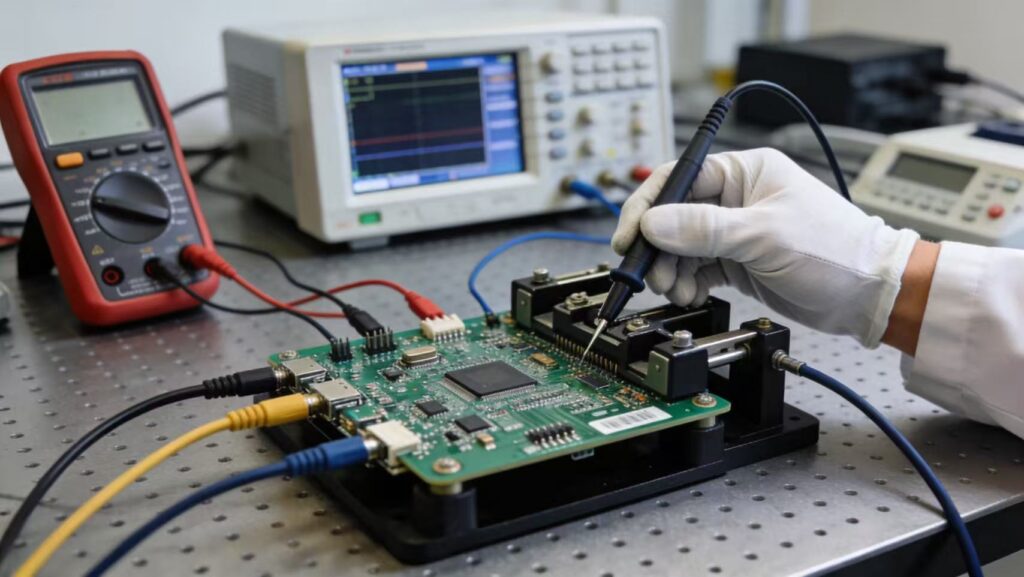
Testing ensures product reliability and compliance with international quality standards.
Professional PCBA manufacturers implement multiple inspection processes.
AOI Inspection
Automated Optical Inspection detects:
- missing components
- incorrect polarity
- solder defects
- alignment errors
AOI improves production quality.
X-Ray Inspection
X-ray testing is essential for hidden solder joints, especially BGA components.
It detects:
- solder voids
- bridging
- insufficient solder
Functional Testing
Functional testing verifies that the circuit performs its intended operations.
Testing may include:
- firmware verification
- signal analysis
- communication testing
- power performance validation
Aging Tests
Burn-in testing simulates long-term operation.
Products run continuously under load to identify potential early failures.
At YUXUN, strict quality management ensures every custom PCBA meets international reliability standards.
Stage 6: Mass Production and Delivery
After successful testing and validation, the project moves to mass production.
A mature supply chain system is critical for stable manufacturing.
Supply Chain Management
Manufacturers must coordinate:
- component sourcing
- inventory management
- supplier qualification
Reliable sourcing prevents production delays.
Batch Manufacturing
Production planning determines optimal batch sizes.
Efficient batch management helps control costs and maintain quality consistency.
Packaging and Logistics
Finished PCBAs require professional packaging to prevent damage during transportation.
Common packaging methods include:
- anti-static packaging
- vacuum sealing
- moisture protection
YUXUN provides global logistics solutions, ensuring safe and timely delivery.
PCBA Custom vs Standard PCBA: What Is the Difference?
Understanding the difference between custom PCBA and standard PCBA helps companies choose the right manufacturing strategy.
| Feature | Custom PCBA | Standard PCBA |
|---|---|---|
| Design | Fully customized | Pre-designed |
| Cost | Higher initial cost | Lower upfront cost |
| Flexibility | Very high | Limited |
| Application | Specialized devices | Generic electronics |
| Production | Product-specific | Mass generic production |
When to Choose Custom PCBA
Custom PCBA is ideal for companies developing innovative electronic products.
Typical applications include:
- IoT devices
- AI hardware
- smart home electronics
- industrial automation
- medical equipment
- robotics systems
Custom PCB assembly allows engineers to optimize performance and integrate unique features.
When Standard PCBA Is Enough
Standard PCBA solutions work well for simple electronic products.
Examples include:
- basic consumer electronics
- simple control circuits
- low-complexity electronic modules
However, for high-performance products, custom PCBA is usually the better choice.
Why Choose YUXUN for Custom PCBA Manufacturing
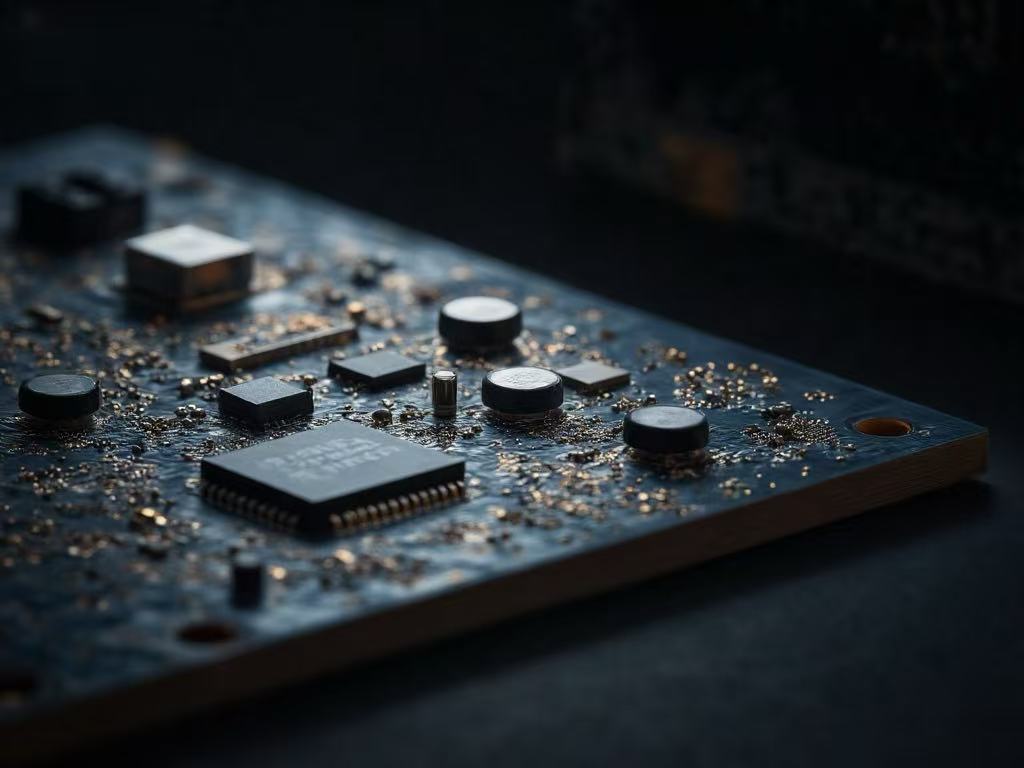
YUXUN is a professional electronic manufacturing company specializing in custom PCBA design and manufacturing services.
Our strengths include:
- strong R&D engineering team
- advanced SMT production lines
- rapid prototype services
- strict quality inspection systems
- global component supply chain
- flexible production capacity
We help customers transform ideas into high-quality electronic products while reducing development risk and manufacturing cost.
Conclusion
The custom PCBA manufacturing process involves multiple stages, including engineering design, PCB layout optimization, prototype validation, SMT assembly, testing, and mass production.
Each step plays a critical role in ensuring the final product’s reliability, performance, and manufacturability.
By working with experienced PCBA manufacturers like YUXUN, companies can accelerate product development, improve product quality, and successfully bring innovative electronic products to market.
FAQ
What is custom PCBA manufacturing?
Custom PCBA manufacturing is the process of designing and assembling printed circuit boards specifically for a product’s unique electronic requirements.
How long does custom PCBA production take?
Typical timelines include:
- PCB design: 1–2 weeks
- prototype assembly: 3–7 days
- testing and optimization: 1–2 weeks
- mass production: 2–4 weeks
The exact timeline depends on product complexity.
What files are required for PCBA manufacturing?
Common required files include:
- PCB Gerber files
- BOM (Bill of Materials)
- pick and place files
- schematic diagrams
- testing requirements
What industries use custom PCBA?
Custom PCBA solutions are widely used in:
- consumer electronics
- IoT devices
- medical electronics
- automotive electronics
- industrial automation
- smart home systems