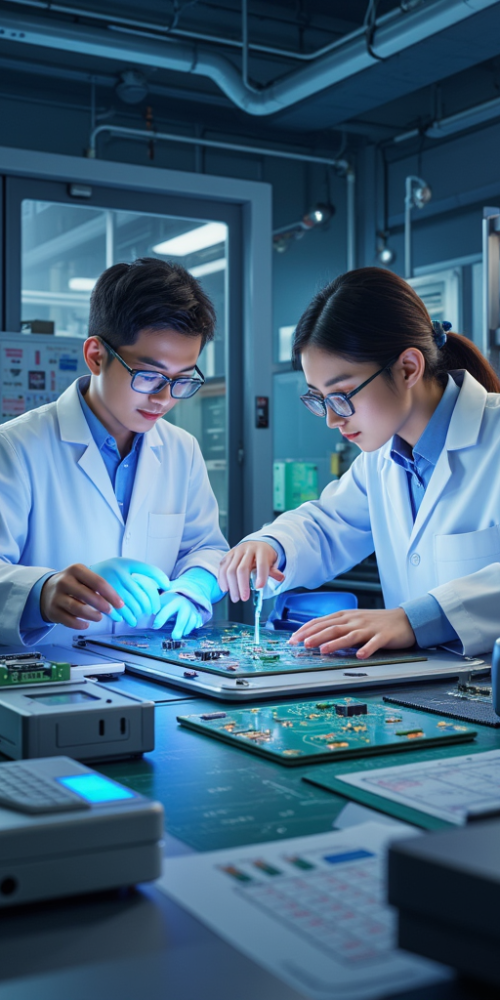
A PCBA circuit board (Printed Circuit Board Assembly) is the core control system of modern electronic devices. It works by allowing electrical signals to travel through conductive copper traces that connect electronic components such as resistors, capacitors, integrated circuits (ICs), and microcontrollers. These components regulate voltage, store energy, process signals, and control device functions. Through precise circuit design, SMT assembly, and soldering processes, a PCBA converts electrical energy into intelligent control operations used in smartphones, medical equipment, industrial automation, and IoT devices. High-quality PCBA manufacturing also includes functional testing, AOI inspection, and reliability verification to ensure stable performance.
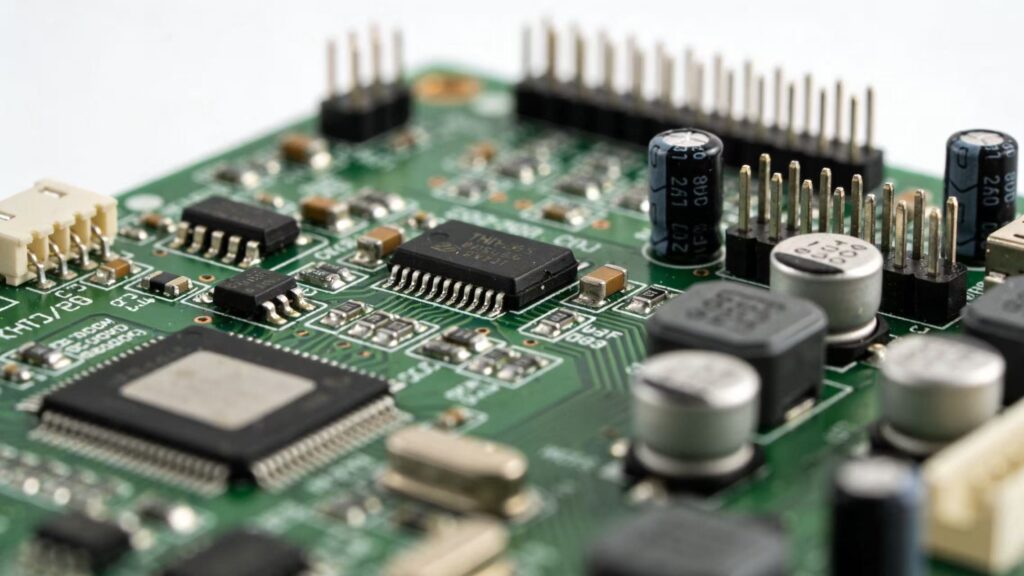
For companies developing smart electronics, working with an experienced PCBA manufacturer ensures optimized circuit design, reliable component integration, and scalable production.
Why PCBA Circuit Boards Are Essential in Electronics
Every modern electronic product relies on a PCBA circuit board to function properly. From smartphones and laptops to medical devices and smart home systems, PCBA technology forms the backbone of electronic control systems.
A PCB (Printed Circuit Board) itself is simply the structural platform containing conductive copper pathways. However, once electronic components are mounted and soldered onto the board, it becomes a PCBA (Printed Circuit Board Assembly).
This assembled circuit board enables devices to:
- Process electrical signals
- Control power distribution
- Execute programmed logic
- Communicate with other electronic modules
Without PCBA technology, modern electronics, automation systems, and AI-powered devices would not exist.
Basic Working Principle of PCBA Circuit Boards
How Electricity Flows Through a PCBA
The working principle of a PCBA circuit board is based on the controlled flow of electricity through a network of conductive pathways called copper traces.
When power is supplied to the circuit board:
- Voltage enters the power input section
- Electricity flows through copper traces
- Components regulate or modify the electrical signals
- Processed signals control device functions
This process allows a PCBA to perform tasks such as:
- Signal amplification
- Data processing
- Power conversion
- Device control
For example, in a smart device, the PCBA may receive input signals from sensors, process the data through a microcontroller, and trigger outputs like motors, displays, or wireless communication modules.
The Role of Soldering and Electronic Components
Why Soldering Is Critical in PCBA Manufacturing
Soldering is the process that physically and electrically connects electronic components to the PCB.
Without proper solder joints, electrical signals cannot flow reliably between components.
Modern PCBA production commonly uses:
Surface Mount Technology (SMT)
SMT allows components to be mounted directly onto the PCB surface. Advantages include:
- Smaller device size
- Higher circuit density
- Faster automated production
- Improved electrical performance
Through-Hole Technology (THT)
Through-hole assembly inserts component leads into drilled holes in the PCB.
It is often used for:
- High-power components
- Mechanical strength applications
- Industrial equipment
High-quality soldering ensures:
- Reliable electrical conductivity
- Mechanical stability
- Long-term device durability
Common Components on a PCBA Circuit Board
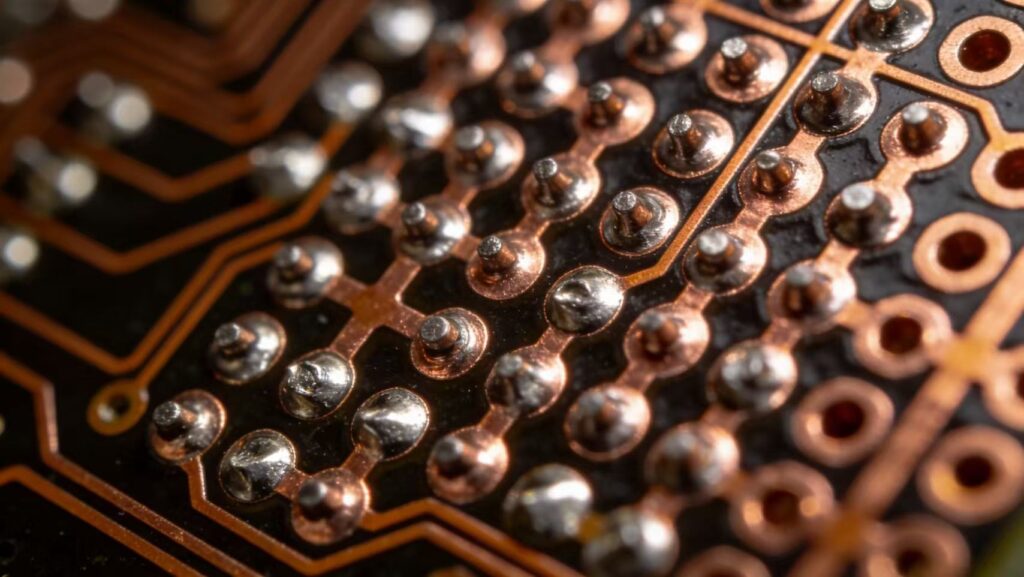
A typical PCBA circuit board contains many electronic components, each serving a specific role in controlling electrical behavior.
Resistors
Resistors regulate the amount of electrical current flowing through the circuit.
Key functions:
- Current limiting
- Voltage division
- Signal conditioning
Capacitors
Capacitors temporarily store electrical energy and release it when needed.
Common uses include:
- Power filtering
- Signal smoothing
- Energy storage
Integrated Circuits (ICs)
Integrated circuits are the brains of the circuit board. They contain thousands or millions of microscopic electronic elements.
Typical IC functions include:
- Data processing
- Logic control
- Memory storage
- Signal conversion
Microcontrollers
Microcontrollers act as programmable control units for embedded systems.
They allow PCBA boards to perform intelligent tasks such as:
- Sensor monitoring
- Device automation
- Communication protocols
Inductors
Inductors store energy in magnetic fields and are commonly used in:
- Power supply circuits
- Voltage converters
- RF circuits
Circuit Design and Layout: The Brain Behind PCBA Performance
Importance of PCB Design
A well-designed PCB layout is essential for optimal PCBA performance.
Engineers must carefully plan:
- Signal routing
- Power distribution
- Component placement
- Grounding systems
Poor circuit design can lead to:
- Signal interference
- Overheating
- Power instability
- Reduced product lifespan
Key PCB Layout Considerations
Signal Integrity
High-speed electronic signals require controlled trace routing to prevent signal loss and electromagnetic interference.
Thermal Management
Components that generate heat must be placed strategically to allow proper heat dissipation.
Power Distribution
Efficient power routing ensures stable voltage supply across the entire circuit board.
Testing and Quality Control in PCBA Manufacturing
Why PCBA Testing Is Essential
After assembly, every PCBA circuit board must undergo multiple testing stages to ensure proper functionality.
Testing helps detect:
- Solder defects
- Component placement errors
- Electrical failures
- Short circuits
Reliable PCBA manufacturers implement strict quality control procedures.
Common PCBA Testing Methods
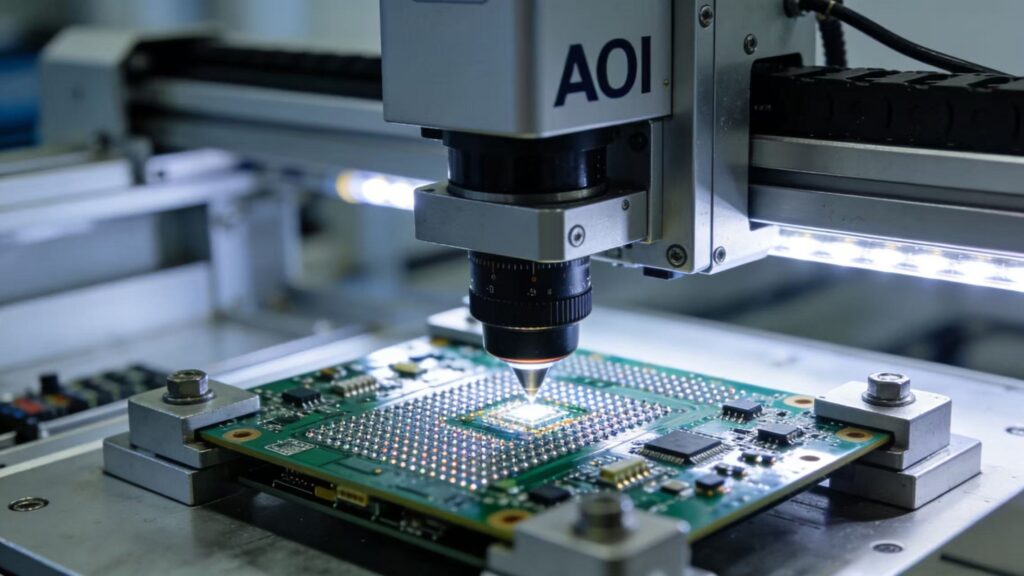
AOI (Automated Optical Inspection)
AOI systems scan the circuit board to detect assembly defects.
ICT (In-Circuit Testing)
ICT verifies electrical performance and component functionality.
Functional Testing
Functional tests simulate real operating conditions to confirm that the PCBA performs as expected.
Burn-In Testing
Burn-in testing operates the board for extended periods to detect early failures.
PCBA Applications in Modern Electronics
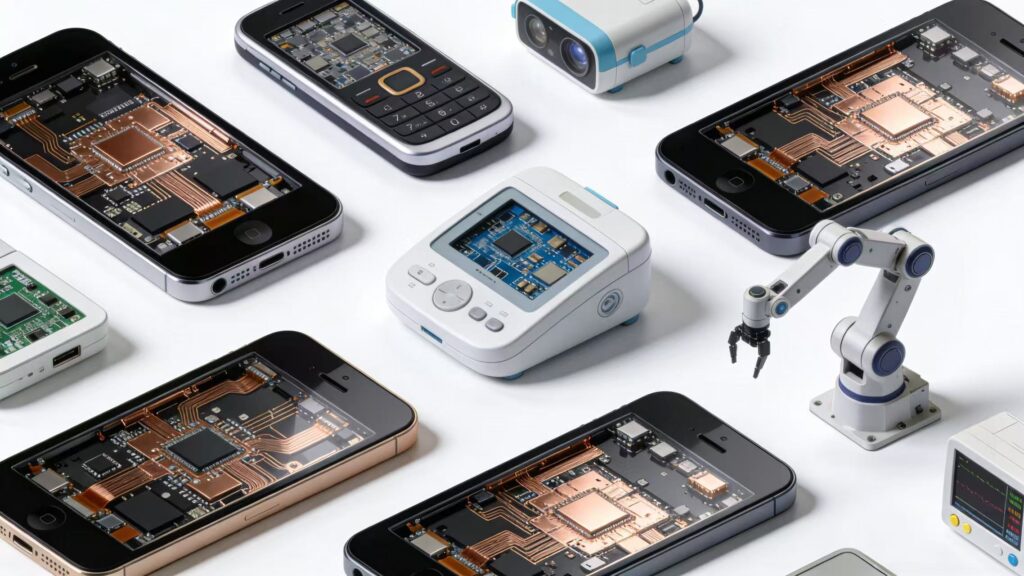
Today, PCBA circuit boards power nearly every industry.
Common applications include:
- Consumer electronics
- Smart home devices
- Industrial automation systems
- automotive electronics
- medical equipment
- telecommunications infrastructure
- IoT devices
- robotics systems
As electronics continue to evolve, PCBA technology plays an even more critical role in enabling AI hardware, smart sensors, and connected devices.
YuXun’s Expertise in Custom PCBA Development
For companies developing innovative electronics, selecting the right PCBA manufacturing partner is critical.
YuXun specializes in custom PCBA design, rapid prototyping, and mass production for global clients.
Our capabilities include:
- Professional PCB circuit design and layout optimization
- Advanced SMT assembly production lines
- High-precision BGA and micro-component soldering
- Complete PCBA testing and quality inspection
- Flexible OEM and ODM electronics manufacturing
With extensive experience in AI hardware, smart devices, and industrial electronics, YuXun helps customers accelerate product development while ensuring reliability and performance.
Our engineering team works closely with clients to transform product concepts into high-performance electronic solutions.
Conclusion
A PCBA circuit board is the central nervous system of electronic devices. It controls how electricity flows, processes signals, and enables communication between electronic components.
Through advanced circuit design, precision component assembly, and rigorous testing, PCBA technology ensures reliable performance across countless industries.
As electronic devices become smarter and more connected, the demand for high-quality custom PCBA solutions continues to grow. Partnering with an experienced PCBA manufacturer like YuXun allows companies to develop innovative electronics faster while maintaining exceptional reliability and production scalability.
Frequently Asked Questions (FAQ)
1. What is the difference between PCB and PCBA?
A PCB (Printed Circuit Board) is the bare board containing copper traces but no components.
A PCBA (Printed Circuit Board Assembly) is a fully assembled board with electronic components soldered onto the PCB.
2. What components are typically found on a PCBA circuit board?
Common PCBA components include:
- Resistors
- Capacitors
- Integrated circuits (ICs)
- Microcontrollers
- Inductors
- Diodes
- Transistors
These components work together to regulate electricity and perform electronic functions.
3. What industries use PCBA circuit boards?
PCBA technology is widely used in:
- Consumer electronics
- Medical devices
- Industrial automation
- automotive systems
- telecommunications equipment
- IoT products
4. How long does PCBA manufacturing take?
Production time depends on the project complexity.
Typical timelines include:
- PCB fabrication: 3–7 days
- SMT assembly: 1–3 days
- Testing and inspection: 1–2 days
Rapid prototype services can shorten this process.
5. Why is PCBA testing important?
Testing ensures that every circuit board functions correctly before shipment.
Without testing, defects such as solder errors, component failures, or short circuits could cause device malfunction.