In modern water treatment, agriculture, and aquaculture systems, improving gas transfer efficiency and water quality stability has become a critical challenge. Traditional aeration systems often struggle to provide sufficient oxygen transfer, oxidation capability, or contaminant removal.
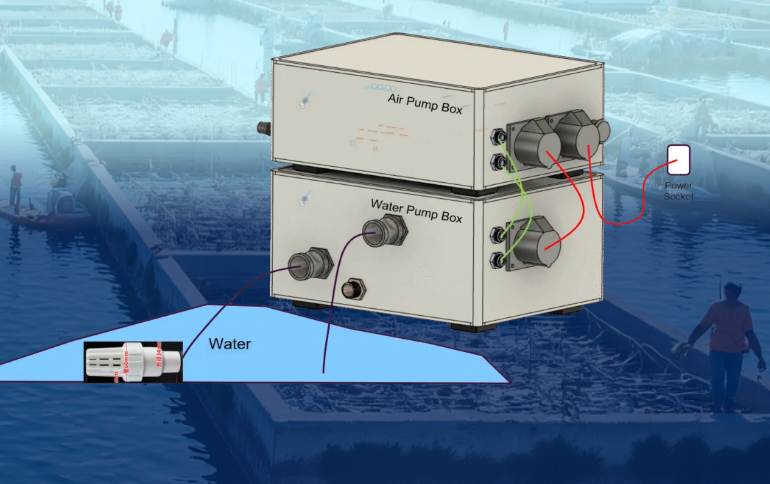
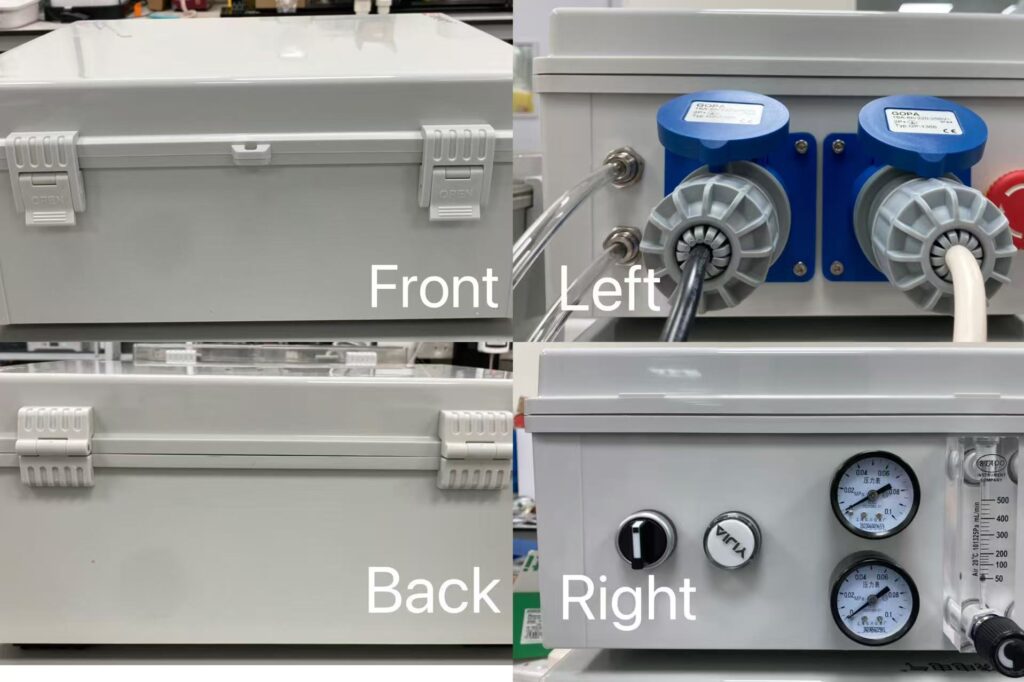
A Nanobubble Generator offers a highly advanced solution by producing ultra-fine gas bubbles typically smaller than 200 nanometers. These nanoscale bubbles remain suspended in water for long periods and dramatically increase the gas–liquid contact area, allowing gases such as air, oxygen, or ozone to dissolve far more efficiently.
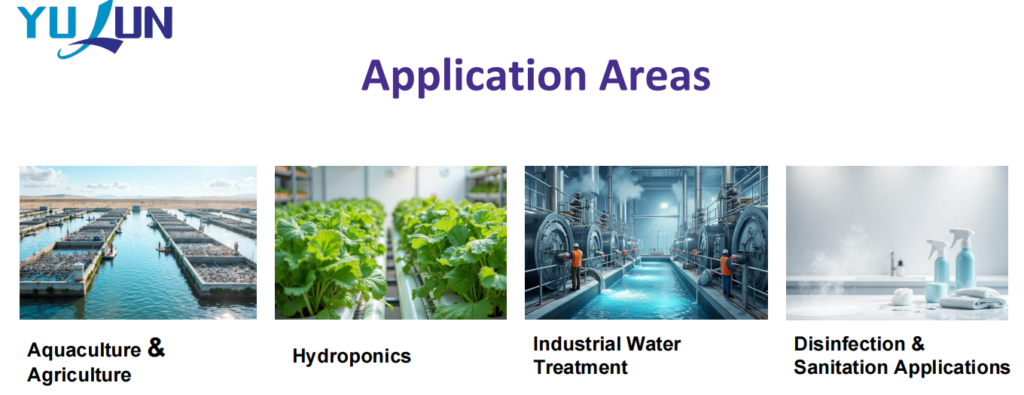
As industries move toward more efficient and environmentally friendly technologies, nanobubble systems are increasingly used in:
- Aquaculture and RAS systems
- Hydroponic farming
- Industrial wastewater treatment
- Oil separation and cleaning
- Drinking water purification
However, choosing the right Nanobubble Generator requires careful evaluation of several factors, including application goals, gas type, system capacity, materials, and supplier capability.
This guide explains how businesses can select the most suitable system to maximize operational performance, energy efficiency, and long-term ROI.
Quick Answer: How Do You Choose a Nanobubble Generator?
The right Nanobubble Generator is selected by evaluating five key factors:
- Define the application objective (DO improvement, ORP enhancement, cleaning, or plant growth)
- Select the appropriate gas type (air, oxygen, or ozone)
- Determine system capacity and flow rate
- Ensure material compatibility for the operating environment
- Choose a supplier with strong engineering and customization capability
Selecting the correct system ensures maximum gas dissolution efficiency, stable water quality, and long-term operational reliability.
Step 1: Define Your Project Objective
The first step when selecting a Nanobubble Generator is understanding the primary purpose of the system. Different applications require different system configurations and gas types.
Increasing Dissolved Oxygen (DO)
Dissolved oxygen is essential for aquatic life and biological treatment processes.
Applications that require high DO levels include:
- Aquaculture ponds
- Recirculating Aquaculture Systems (RAS)
- Hydroponic agriculture
- Biological wastewater treatment
Nanobubbles significantly improve oxygen transfer because they remain suspended in water instead of quickly rising to the surface.
Compared with traditional aeration systems, nanobubbles can improve oxygen transfer efficiency by 30%–50%.
This results in:
- Faster fish and shrimp growth
- Higher survival rates
- Improved microbial activity
- Reduced aeration energy consumption
Improving Oxidation Reduction Potential (ORP)
ORP measures the oxidation strength of water. Higher ORP levels help eliminate harmful microorganisms and organic contaminants.
Industries using ORP control include:
- Drinking water treatment
- Aquaculture disease control
- Industrial wastewater purification
- Cooling tower disinfection
When ozone nanobubbles are introduced into water, they create powerful oxidation reactions capable of breaking down bacteria, viruses, and organic pollutants.
This process improves both water sanitation and system stability.
Removing Oil, Grease, and Suspended Contaminants
Nanobubbles are widely used in industrial cleaning and separation systems.
Typical applications include:
- Oil-water separation
- Metal surface cleaning
- Degreasing machinery parts
- Environmental remediation
Nanobubbles carry a negative surface charge that attracts contaminants. The bubbles attach to oil droplets and suspended particles, allowing them to float and separate more easily.
This improves filtration efficiency and reduces chemical usage.
Enhancing Plant Growth
Agriculture and hydroponic farms increasingly use nanobubble technology to improve plant performance.
Benefits include:
- Better root respiration
- Enhanced nutrient absorption
- Faster crop growth
- Higher yield
Research shows oxygen nanobubbles can increase plant biomass by 15% to 30% depending on crop type.
Step 2: Select the Appropriate Gas Type
The gas injected into the nanobubble generator determines the functional effect of the system.
Air Nanobubbles
Air is the most economical option.
Advantages include:
- Low operational cost
- Simple system design
- Suitable for large-scale installations
Common applications include:
- Aquaculture ponds
- Lake restoration
- Wastewater aeration
Air nanobubbles are ideal for projects where cost efficiency is the main priority.
Pure Oxygen Nanobubbles
Using pure oxygen dramatically increases dissolved oxygen concentration.
Benefits include:
- Maximum oxygen transfer efficiency
- Faster biological activity
- Higher productivity in aquaculture and agriculture
Typical applications include:
- High-density aquaculture farms
- Intensive hydroponic cultivation
- RAS systems
Although oxygen systems require additional gas supply equipment, they provide superior oxygenation performance.
Ozone Nanobubbles
Ozone nanobubbles provide extremely strong oxidation capability.
Advantages include:
- Powerful sterilization
- Removal of organic pollutants
- Increased ORP levels
- Improved water clarity
Typical applications include:
- Drinking water treatment
- Aquaculture disease prevention
- Industrial wastewater treatment
- Food processing sanitation
Because ozone is highly reactive, systems must use ozone-resistant materials.
Step 3: Determine the Required System Capacity
Choosing the correct capacity ensures stable system performance.
Three factors must be considered.
Flow Rate (m³/h)
Flow rate determines how much water the system can treat.
Typical ranges include:
- Small laboratory systems: 1–5 m³/h
- Medium agricultural systems: 10–50 m³/h
- Industrial installations: 50–200 m³/h or more
The generator must match the circulation capacity of the water system.
Tank or Pond Volume
Water volume determines the number of generators required.
Examples:
| Application | Typical Volume |
|---|---|
| Hydroponic tank | 1–10 m³ |
| Aquaculture pond | 100–1000 m³ |
| Industrial treatment system | 500–5000 m³ |
Large installations often use multiple nanobubble generators working in parallel.
Continuous vs Batch Operation
Different industries operate differently.
Continuous systems include:
- Aquaculture ponds
- municipal water treatment
- recirculating aquaculture systems
Batch systems include:
- industrial cleaning tanks
- laboratory research
- specialized processing systems
The operating mode influences pump selection and system configuration.
Step 4: Ensure Material Compatibility
Material selection is critical for system durability and safety.
Ozone-Resistant Components
If ozone is used, corrosion resistance is essential.
Recommended materials include:
- Stainless steel 316L
- Titanium
- PTFE seals
- Ozone-resistant polymers
These materials prevent degradation caused by ozone exposure.
Stainless Steel or Coated Alloy Construction
Industrial nanobubble systems often operate under pressure and harsh chemical environments.
Professional systems typically use:
- marine-grade stainless steel
- corrosion-resistant coatings
- high-pressure industrial pumps
This ensures long service life.
Industrial Sealing Systems
Reliable sealing prevents gas leakage and pressure loss.
Professional equipment includes:
- precision mechanical seals
- chemical-resistant gaskets
- leak-proof engineering design
These features ensure safe and stable operation.
Step 5: Evaluate the Supplier’s Engineering Capability
Choosing the right supplier is essential for long-term system success.
Engineering Support
Professional suppliers provide:
- system design consultation
- water analysis
- performance simulation
- energy consumption optimization
Engineering support ensures the equipment fits the application perfectly.
Customization Capability
Industrial projects often require customized systems.
Customization options may include:
- specific flow capacity
- integration with existing pipelines
- automatic control systems
- hybrid gas configurations
Suppliers offering OEM and ODM services can better meet project requirements.
Global Project Experience
Suppliers with international project experience offer:
- export compliance support
- international logistics coordination
- remote technical support
- multilingual communication
These services reduce project risks.
Frequently Asked Questions (FAQ)
What size nanobubble generator do I need?
The correct size depends on water volume, circulation rate, and application purpose. Industrial systems typically range from 10 m³/h to 200 m³/h.
Are nanobubble generators energy efficient?
Yes. Nanobubble systems can reduce aeration energy consumption by 20–40% compared with traditional aeration methods.
How long do nanobubbles remain in water?
Nanobubbles can remain suspended in water for hours or even days, allowing gases to dissolve more efficiently.
Can nanobubble systems improve fish growth?
Yes. Studies show aquaculture systems using nanobubbles can increase fish growth rates and survival rates due to higher dissolved oxygen levels.
Are nanobubble generators difficult to maintain?
No. Most systems require only basic maintenance such as pump inspection and filter cleaning.
Can a nanobubble generator be added to an existing system?
Yes. Many systems are designed for easy retrofitting into existing water circulation pipelines.
What industries use nanobubble technology?
Major industries include aquaculture, agriculture, wastewater treatment, food processing, mining, and environmental remediation.
How long does a nanobubble generator last?
High-quality industrial systems typically operate for 8–15 years depending on materials and maintenance.
Conclusion
Selecting the right Nanobubble Generator requires a clear understanding of the project’s technical requirements.
Key considerations include:
- Application objective
- Gas type selection
- System capacity
- Material durability
- Supplier expertise
When properly designed, a nanobubble system can significantly improve dissolved oxygen levels, oxidation efficiency, contaminant removal, and overall water quality.
This leads to improved productivity, reduced operational costs, and stronger environmental sustainability.
Why Work with Yuxun?
Yuxun is a professional manufacturer specializing in advanced Nanobubble Generator systems for industrial and environmental applications.
The company provides complete project support, including:
- Application analysis
- System modeling and simulation
- Custom engineering design
- Precision manufacturing and quality testing
- Installation guidance and after-sales technical support
With strong OEM and ODM capabilities and extensive international project experience, Yuxun delivers reliable nanobubble solutions for aquaculture, agriculture, water treatment, and industrial processes.
By combining advanced engineering expertise with high-quality manufacturing, Yuxun ensures every Nanobubble Generator is optimized for maximum efficiency, reliability, and long-term operational value.