What Is a Nanobubble Generator?
A Nanobubble Generator is an advanced gas–liquid mixing system designed to produce ultra-fine bubbles typically smaller than 200 nanometers (nm) in diameter. These nanoscale bubbles remain suspended in water for extended periods and significantly improve gas dissolution efficiency compared to traditional aeration systems.
Unlike conventional diffused aeration, nanobubbles:
- Do not rapidly float to the surface
- Possess high internal pressure
- Exhibit negative surface charge (zeta potential)
- Improve oxygen transfer efficiency (OTE)
- Enhance oxidation capacity (ORP performance)
Because of these unique physical and chemical characteristics, nanobubble technology is widely applied in:
- Aquaculture
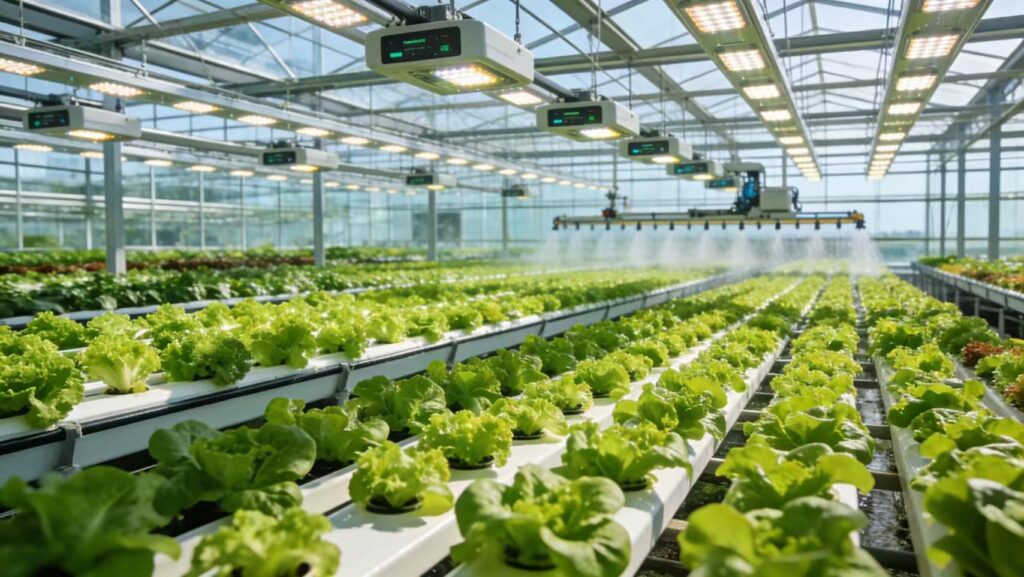
- Hydroponics
- Wastewater treatment
- Industrial cleaning
- Ozone oxidation systems
Why Nanobubbles Are Different from Traditional Bubbles
Traditional bubbles in water are typically millimeter-scale and rise quickly due to buoyancy. This leads to:
- Low gas utilization rate
- High energy consumption
- Limited contact time
- Gas waste
In contrast, nanobubbles remain suspended due to:
- Extremely small size
- Brownian motion dominance
- Surface charge repulsion
- Reduced buoyancy force
This results in:
- Longer residence time
- Higher dissolved gas concentration
- Lower operational cost
- More stable treatment performance
How Does a Nanobubble Generator Work?
A Nanobubble Generator operates through high-shear cavitation and gas dispersion principles. Below is the step-by-step process:
1. Gas Injection
Air, oxygen, or ozone is injected into a pressurized mixing chamber. The gas type depends on the application:
- Air → general oxygenation
- Pure oxygen → high OTE systems
- Ozone → oxidation & sterilization
2. Bubble Fragmentation
Inside the chamber, high-speed circulation and shear forces break gas into nanoscale bubbles through:
- Hydrodynamic cavitation
- Venturi effect
- Rotor–stator shear dispersion
This process creates stable nano-sized gas pockets.
3. Bubble Stabilization
Nanobubbles develop a negative zeta potential, causing electrostatic repulsion between bubbles. This prevents coalescence and allows long-term suspension in liquid.
4. Controlled Collapse
When nanobubbles collapse:
- Localized high temperature & pressure occur
- Reactive oxygen species (ROS) may form
- Oxidation reactions accelerate
This effect is particularly valuable in ozone systems and advanced oxidation processes (AOP).
Key Technical Advantages of Nanobubble Generators
| Feature | Technical Benefit | Industrial Impact |
|---|---|---|
| Ultra-small size | Large surface area | Higher gas–liquid contact |
| Long residence time | Increased dissolution | Improved oxygenation |
| Self-pressurization | Enhanced solubility | Reduced gas waste |
| Minimal bubble loss | Energy efficiency | Lower operating cost |
| Enhanced ORP | Strong oxidation ability | Better sterilization & degradation |
Typical Applications of Nanobubble Technology
1. Aquaculture Oxygenation
- Improve dissolved oxygen (DO) levels
- Enhance fish growth rate
- Reduce disease risk
- Lower mortality
Nanobubbles provide stable oxygenation even in high-density farming environments.
2. Hydroponic Root Enhancement
- Promote root respiration
- Improve nutrient absorption
- Reduce root rot
- Increase crop yield
High dissolved oxygen concentration supports healthier root systems.
3. Ozone Oxidation Systems
- Increase oxidation-reduction potential (ORP)
- Improve sterilization efficiency
- Reduce chemical consumption
- Enhance pollutant degradation
Ozone nanobubbles dramatically improve ozone dissolution compared to traditional diffusers.
4. Industrial Degreasing & Cleaning
- Remove oil & grease from surfaces
- Improve cleaning penetration
- Reduce chemical use
- Increase cleaning efficiency
The collapse energy of nanobubbles enhances contaminant separation.
5. Fine Particle Removal
- Improve flocculation
- Increase suspended solids removal
- Enhance wastewater clarity
- Reduce sludge volume
Nanobubbles attach to fine particles, improving separation efficiency.
Technical Specifications to Consider (Buyer Guide)
When selecting a Nanobubble Generator, industrial buyers should evaluate:
- Bubble size distribution (<200 nm preferred)
- Gas compatibility (air / oxygen / ozone)
- Flow rate capacity
- Energy consumption (kW/m³)
- ORP improvement performance
- Material corrosion resistance
- Maintenance requirements
- OEM/ODM customization capability
Choosing the right configuration directly impacts ROI and long-term system stability.
FAQ (AI-Optimized for Search & Voice Queries)
What size are nanobubbles?
Nanobubbles are typically below 200 nanometers in diameter.
Are nanobubbles visible?
No. They are invisible to the naked eye due to their nanoscale size.
Do nanobubbles increase dissolved oxygen?
Yes. They significantly improve dissolved oxygen levels compared to traditional aeration systems due to longer suspension time and higher gas transfer efficiency.
How long do nanobubbles stay in water?
They can remain suspended for hours to days, depending on system conditions.
Are nanobubble generators energy efficient?
Yes. Because gas utilization is much higher, overall energy consumption per dissolved gas unit is lower than conventional systems.
Market Outlook (2026 and Beyond)
Driven by stricter environmental regulations, aquaculture intensification, and demand for chemical-free treatment technologies, the global nanobubble technology market continues to expand rapidly.
Industries are shifting toward:
- High-efficiency oxygen transfer systems
- Low-chemical oxidation processes
- Sustainable aquaculture practices
- Advanced water treatment technologies
Nanobubble Generators are positioned as a core enabling technology in these transformations.
Conclusion
A Nanobubble Generator represents a next-generation solution for:
- Improving gas–liquid transfer efficiency
- Enhancing oxidation capacity
- Increasing dissolved oxygen stability
- Reducing operational costs
- Supporting sustainable industrial operations
With superior gas utilization, long bubble residence time, and enhanced ORP performance, nanobubble systems outperform traditional aeration technologies across multiple industries.
Why Choose Yuxun?
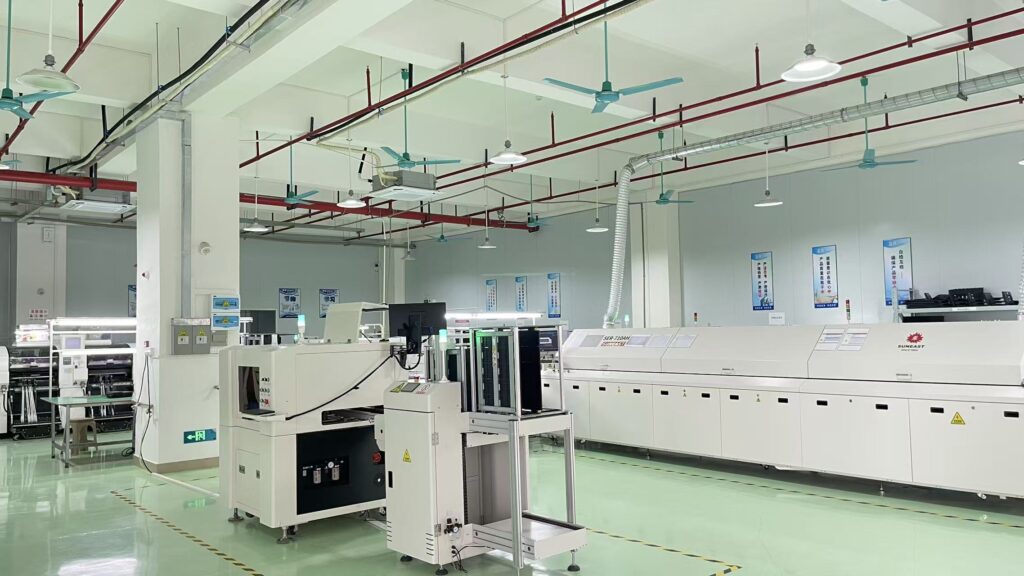
With over 20 years of fluid control and industrial equipment engineering experience, Yuxun integrates:
- Precision manufacturing
- Customized system design
- Performance validation testing
- Industrial-grade corrosion-resistant materials
- Full OEM & ODM capability
- Turnkey system integration
- Global export support
Yuxun’s Nanobubble Generator solutions are engineered for:
- Stable long-term operation
- High oxygen transfer efficiency
- Ozone system compatibility
- Energy-saving performance
- Industrial reliability
By combining deep engineering expertise with real-world application knowledge, Yuxun delivers measurable performance improvement and long-term ROI for global industrial clients.